
Blog Details
Electric Vehicles Break Free from Oil Price Fluctuations
Electric vehicles have reached a tipping point, no longer tied to oil price swings, reshaping automotive markets and energy demand dynamics worldwide.
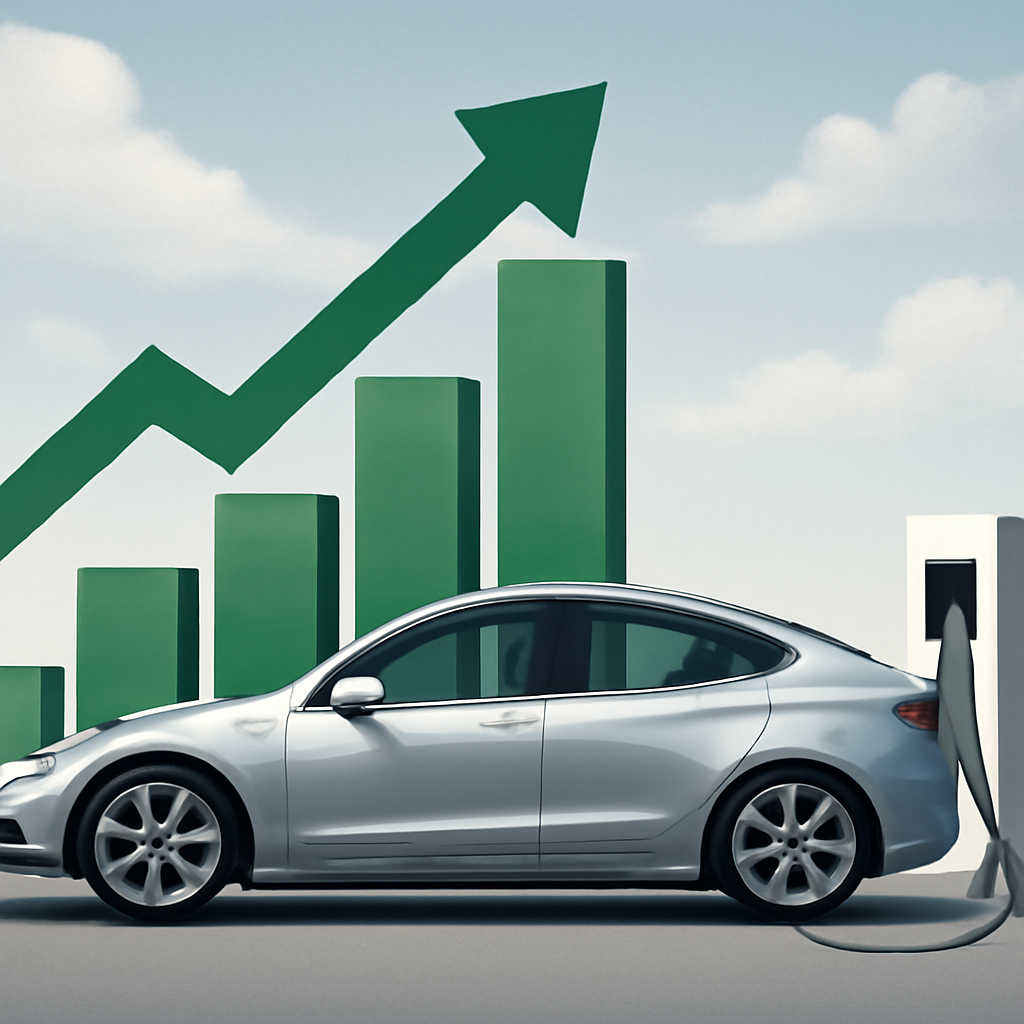
Electric Vehicles Break Free from Oil Price Fluctuations
DevLK Editorial Team
-
17 Apr 2026
-
English
-
1
Electric vehicles have reached a tipping point, no longer tied to oil price swings, reshaping automotive markets and energy demand dynamics worldwide.
Electric vehicles (EVs) have crossed a critical threshold, breaking their historical link to oil prices. This shift marks a fundamental change in the global automotive sector, one that impacts consumers, manufacturers, and energy markets alike. For years, gasoline prices influenced car-buying decisions and the broader transport economy. Now, with EV adoption accelerating, that dynamic is loosening.
The connection between oil prices and vehicle demand has been strong because traditional cars run on gasoline, a product derived from crude oil. When oil prices spike, gasoline costs rise, often pushing consumers toward more fuel-efficient or alternative vehicles. Conversely, lower oil prices tend to slow the transition away from internal combustion engines. But EVs operate on electricity, whose cost drivers differ significantly from oil markets.
This decoupling is partly driven by improvements in battery technology and charging infrastructure, which have made electric vehicles more practical and affordable for a growing number of drivers. In some regions, the cost of charging an EV can be far less volatile than gasoline, offering predictability that appeals to both consumers and fleet operators. Moreover, as renewable energy sources become more prevalent, the electricity powering these vehicles is increasingly insulated from fossil fuel market shocks.
Consider a household that once dreaded the monthly gas pump visit when prices climbed—now, they plug in their car at home, paying a relatively stable rate for electricity. This simple change illustrates a profound shift in consumer experience and energy consumption patterns.
For automakers and suppliers, this transition demands rethinking supply chains and product roadmaps. Companies heavily invested in traditional powertrains must accelerate EV development to stay competitive. Meanwhile, battery producers and software firms focused on vehicle management stand to gain as the market pivots.
Governments and policymakers also face new challenges. Energy security calculations must account for electricity grids rather than oil pipelines. Incentive programs might shift focus from fuel taxes toward electricity pricing and infrastructure support. The environmental implications are significant too—reducing reliance on oil can help lower carbon emissions, but only if the electricity supply is clean.
The breaking of the oil price link also affects global oil markets. As transportation demand gradually shifts toward electricity, oil consumption patterns may soften, contributing to longer-term shifts in energy geopolitics. Countries dependent on oil exports could see impacts on their economies, while those investing in clean energy infrastructure might gain influence.
What’s next? The continued expansion of EV adoption will likely deepen this decoupling. However, challenges remain. Electricity grids must handle increased loads, and charging networks need broader deployment, especially in less urbanized areas. Battery recycling and raw material sourcing pose additional questions for sustainability.
In essence, electric vehicles are reshaping not only how we move but also how energy markets operate. The severing of the oil price link signifies a new era—one where transportation and energy sectors evolve more independently than ever before. For developers, product teams, and industry leaders, this transformation offers both opportunities and complexities. Watching how these trends unfold will be crucial in the years ahead.
Original Source: Electric vehicles pass tipping point, breaking the link with oil prices - The Conversation
Leave a Comment
Share what you think about this article.
Comments
No comments yet. Be the first to share your feedback.