
Blog Details
Latest AI Models Pose New Risks to Global Banking System
Financial officials warn that emerging AI models could disrupt the global banking system, raising concerns for security and financial stability.
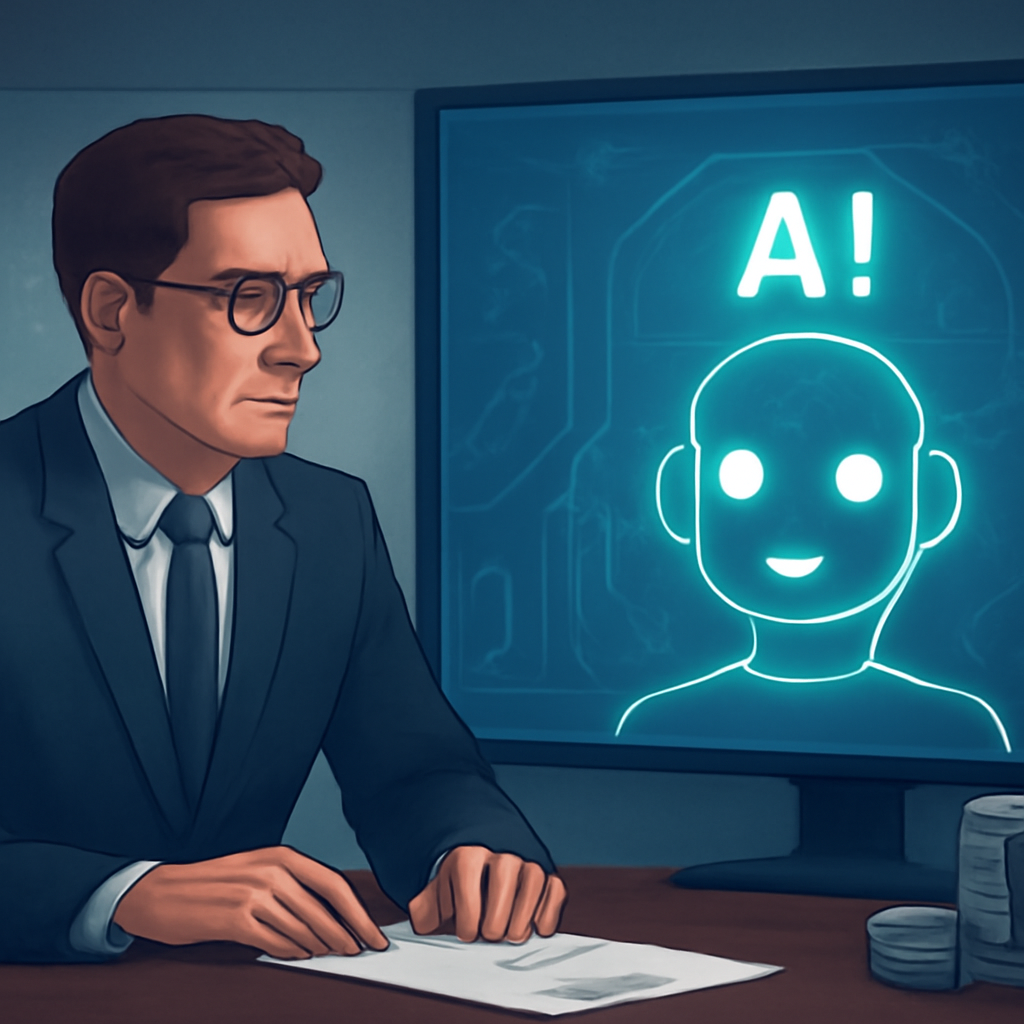
Latest AI Models Pose New Risks to Global Banking System
DevLK Editorial Team
-
18 Apr 2026
-
English
-
2
Financial officials warn that emerging AI models could disrupt the global banking system, raising concerns for security and financial stability.
Financial regulators and banking officials around the world have sounded alarms about the potential risks posed by the latest wave of artificial intelligence models. These cutting-edge AI systems—capable of generating complex outputs and making autonomous decisions—are raising concerns about their impact on the stability and security of global financial institutions. The warnings come amid growing unease over how such technology could be exploited or inadvertently trigger systemic disruptions.
The world banking system, a backbone of the global economy, depends heavily on trust, transparency, and rigorous risk controls. Introducing advanced AI models that can operate beyond traditional regulatory oversight presents a new challenge. For example, an AI system used for automated trading or risk assessment malfunctioning or being manipulated could lead to cascading financial shocks. This is not just theoretical; past incidents have shown how automated trading algorithms contributed to market volatility. Now imagine this on a broader scale with AI models that learn and adapt in real time.
Financial officials worry that these AI models may also accelerate cyber threats. Unlike conventional software, AI can be coaxed into generating sophisticated phishing attacks, fraud schemes, or even bypassing security measures through subtle manipulation. The banking sector is already a prime target for cybercriminals, and AI could raise the stakes by enabling more complex and harder-to-detect breaches. As an analogy, it’s like giving a thief a master key that can change shape depending on the lock it encounters.
Furthermore, the opacity of some AI systems complicates accountability. Many of these models operate as black boxes, making it difficult for regulators and institutions to fully understand decisions affecting credit scoring, loan approvals, or investment strategies. This black box effect could undermine customer trust and regulatory compliance, especially if errors or biases go unnoticed until significant damage occurs.
Who does this affect most? Primarily, global banks and financial institutions that rely on AI for decision-making, as well as regulators tasked with ensuring systemic safety. But the ripple effects could reach consumers and businesses worldwide, especially if disruptions lead to liquidity issues or credit freezes. Developers and product teams working on financial AI must consider these risks seriously, balancing innovation with robust governance.
What does this mean for the future? Banks may need to implement more stringent testing and monitoring frameworks for AI applications. Collaborations between technologists, regulators, and financial experts will be essential to create standards that keep pace with AI’s rapid evolution. We might see increased investment in explainable AI and auditability tools to ensure transparency.
The question remains: can the banking sector harness AI’s benefits without sacrificing stability? The coming years will be critical as these technologies mature and their real-world applications expand. Vigilance and proactive regulation will be key to managing risks while fostering innovation that benefits the economy and society at large.
Original Source: Latest AI models could threaten world banking system, financial officials warn - Financial Times
Leave a Comment
Share what you think about this article.
Comments
No comments yet. Be the first to share your feedback.